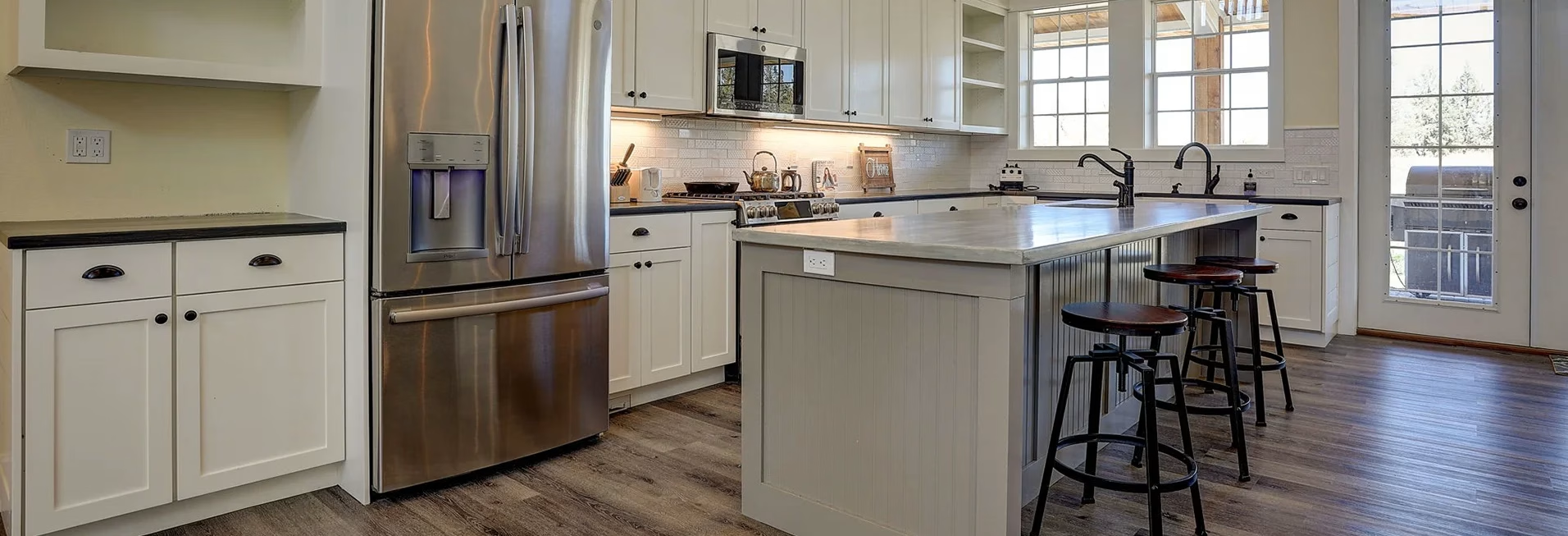

Trim and Molding Installation: A Guide to Enhancing Your Home’s Aesthetic
Trim and molding installation plays a crucial role in enhancing the overall aesthetic of your home. While small in size, these architectural details can make a significant impact on the look and feel of any room. Whether you are updating a single room or remodeling your entire home, adding trim and molding can transform your space, providing a clean, polished finish that ties everything together.
In this blog, we’ll cover the essentials of trim and molding installation, its benefits, and tips for ensuring a professional, lasting result.
- What Are Trim and Molding?
Trim and molding are finishing elements that are installed around the edges of walls, ceilings, doors, windows, and floors. They come in various shapes, sizes, and materials,
each designed to enhance the visual appeal of a space while covering gaps, seams, and imperfections. Trim refers to the boards or strips placed along the edges, while molding typically involves more decorative, sculpted pieces that add character and style.
Common types of trim and molding include:
- Baseboards: Installed at the bottom of walls to cover the joint between the wall and floor.
- Crown Molding: Placed at the junction of the walls and ceiling to add height and visual interest.
- Casings: Surround door and window openings, helping to frame them beautifully.
- Chair Rails: Installed at a height along the wall to protect it from furniture and provide a decorative break in wall design.
- Wainscoting: Paneling that covers the lower part of a wall, often combined with trim or molding to create a sophisticated look.
- Why Add Trim and Molding to Your Home?
Trim and molding installation offers several benefits, both aesthetic and functional. Let’s look at some key reasons why you should consider adding them to your home:
Aesthetic Enhancement
Trim and molding create a polished, finished look, making any room feel more complete. Simple spaces can benefit from the added detail, while more intricate designs can elevate the room’s character. Whether you prefer traditional, contemporary, or even custom styles, trim and molding help create visual flow and cohesion in a space.
Hide Imperfections
Trim is also an effective way to cover gaps, seams, and imperfections where walls and floors meet. Installing baseboards and casings can hide uneven edges and make a room look more refined and professional. If you have walls or floors with imperfections, trim can be a cost-effective way to improve the overall appearance without the need for expensive repairs.
Increase Property Value
Well-executed trim and molding installation can add value to your home. It gives the space a more luxurious, custom feel, which can be appealing to potential buyers if you decide to sell. Whether you opt for simple, clean lines or more detailed molding, trim can make your home stand out in a competitive
market.
- Materials for Trim and Molding Installation
The material you choose for trim and molding will affect the overall style and longevity of the installation. Common materials include:
- Wood: Traditional and versatile, wood trim and molding add a natural, classic touch. Popular wood options include oak, pine, and maple. Wood trim can be stained, painted, or left natural for a variety of looks.
- MDF (Medium Density Fiberboard): A budget-friendly option that offers smooth, even surfaces ideal for painting. MDF is lightweight and easy to work with but may not be as durable as wood.
- Polyurethane: This material mimics the look of wood but is resistant to warping, cracking, and expansion. Polyurethane is ideal for areas with high humidity, such as bathrooms.
- PVC: Another low-maintenance material that’s resistant to moisture and mildew. PVC trim is a popular choice for bathrooms, kitchens, and basements.
- Trim and Molding Installation Tips
Proper installation is key to ensuring your trim and molding add value and beauty to your home. Here are a few tips to help you get the best results:
Plan Your Design
Before you start cutting and installing, take the time to plan your design. Consider the style of your home and the space you’re working with. For example, large rooms may benefit from more elaborate crown molding, while smaller spaces might look best with a simpler design. Don’t forget to consider the color scheme and overall décor of the room to ensure the trim complements your existing furnishings.
Precision is Key
Accurate measurements are critical for a clean, professional finish. Measure each piece of trim carefully to ensure it fits snugly against the walls or ceiling. Take your time to cut each piece at the correct angle, especially for corners and joints. A miter saw is ideal for cutting precise angles, particularly for corners where two pieces of trim meet.
Secure the Trim Properly
When installing trim, make sure it is properly secured. Use finishing nails or screws to hold the trim in place, ensuring it stays firm and stable. Be sure to countersink the nails or screws, so they can be filled and hidden later for a flawless finish.
Finishing Touches
After installation, it’s essential to fill any nail holes or gaps with wood filler. Once the filler has dried, sand the surface smooth for a polished look. Finally, paint or stain the trim to match your room’s aesthetic. For painted trim, a high-quality primer and paint can help ensure a smooth, long-lasting finish.
- Hiring a Professional for Trim and Molding Installation
While trim and molding installation can be a DIY project for those with the necessary skills, hiring a professional contractor ensures precise, efficient results. Experienced professionals will have the tools, expertise, and attention to detail to install trim and molding that enhances your home’s appearance and value. If you’re unsure about the materials or design, a contractor can also offer guidance to help you make the best choice for your space.
Final Thoughts
Trim and molding installation is an excellent way to elevate your home’s aesthetic and add value. From baseboards and crown molding to custom casings and wainscoting, these finishing details create a polished, professional look that enhances the character of any room. Whether you’re tackling a DIY project or hiring a professional, trim and molding installation is a worthwhile investment that provides lastingbeauty and function.
If you’re considering adding trim and molding to your home, start by planning your design and selecting materials that align with your style and needs. With the right approach, these details will help transform your space into something truly special.
